
10th Edition of
Nursing World Conference
October 22-24, 2026
Cardiac Nursing
- Heart Failure Nurses
Cardiac nursing focus on preventing and treating conditions related to the heart. Nurses in cardiac department work in inpatient or outpatient settings, cares for medical or surgical patients, and understand patients through acute illness or help them manage chronic disease. Cardiac nurses helps to treat disorders like unstable angina, arterial coronary disease, congestive coronary failure, myocardial infarct and cardiac dysrhythmia under the direction of a cardiologist. They perform excellent care on a surgical unit; analysing evaluations, cardiac monitoring, vascular monitoring, and health assessments. Cardiac nurses have Basic Life Support and Advanced Cardiac Life Support certification. In addition, cardiac nurses possess specific skills including electrocardiogram monitoring, defibrillation, and drugs administration by continuous drip. Cardiac nurses work in various environments, including coronary care units, cardiac catheterization, medical care units, operating theatres, cardiac rehabilitation centers, clinical research, cardiac surgery wards, cardiovascular intensive care units, and cardiac medical wards.
Cardiac Nurse's typical responsibilities include:
- Evaluate and treat patients.
- Provide postoperative care.
- Monitor stress test evaluations.
- Monitor cardiac and vascular readings.
- Educate patients and their families.
- Support and motivate patients' lifestyle changes.

Adele Webb
Strategic Education, Inc., United States
Robin Adams Geiger
Ovita Health, United States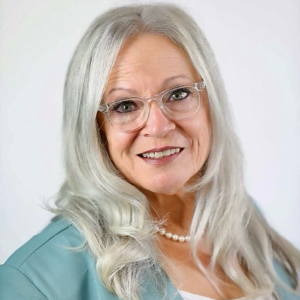
Barbara M De Groot
Heartwell Services, United States
Eugenia Powell
Woodmore Consulting Group, United States
Joyce Anne Finch
Middle Tennessee State University, United States
Laura Spitaleri
Mayo Clinic, United States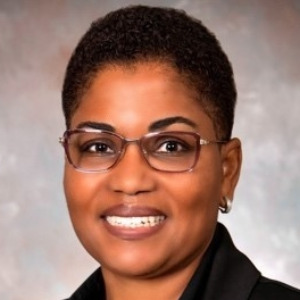
Janice K Williams
Bowie State University, United StatesSubmit your abstract Today


Title : Overview of artificial intelligence in healthcare
Adele Webb, Strategic Education, Inc., United States
Title : Will be Updated Soon....
Ismat Mikky, Bloomfield College of Montclair State University, United States
Title : Beyond cultural competence: Integrating cultural intelligence into professional nursing education and practice
Debra A Hrelic, University of North Carolina Wilmington, United States
Title : Experiences of online health information seeking behavior among patients with initial stroke during the transition period in china: A qualitative research
Xiao Yan Dong, Zhengzhou University, China
Title : A call to action for the integration of an underutilized resource: The evidence for Parkinson’s disease and music therapy
Carole Graves, Columbia University School of Nursing, United States
Title : A call to action for the integration of an underutilized resource: The evidence for Parkinson’s disease and music therapy
Klaudia J Zalewska, Columbia University School of Nursing, United States