
10th Edition of
Nursing World Conference
October 22-24, 2026
Aging
The study of Aging encompasses a multidisciplinary exploration of biological, psychological, and societal dimensions. Gerontology, a pivotal discipline, investigates factors influencing longevity and the quality of life in aging populations. Cognitive health, a significant concern in aging, prompts research into conditions such as dementia and Alzheimer's disease. The societal implications of an aging population, including healthcare demands and evolving social structures, add complexity to the field. Anti-aging strategies extend beyond mere lifespan extension, aiming to enhance the overall quality of life for the elderly through innovative healthcare interventions and comprehensive geriatric care. Key terms encompassing this field include gerontology, longevity, dementia, anti-aging, and senior care.
While aging is a natural part of life, ongoing research aims to understand the mechanisms underlying the aging process and explore ways to promote healthy aging. Lifestyle factors such as regular exercise, a balanced diet, and social engagement have been associated with positive outcomes in aging populations. Additionally, advances in medical science continue to explore interventions and treatments to address age-related conditions and enhance the quality of life for older individuals.

Adele Webb
Strategic Education, Inc., United States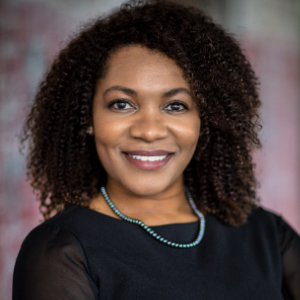
Robin Adams Geiger
Ovita Health, United States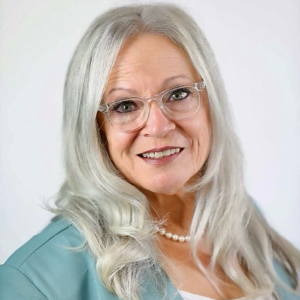
Barbara M De Groot
Heartwell Services, United States
Irina Koyfman
Affinity Expert, LLC, United States
Stacey Frawley
Stony Brook University, United States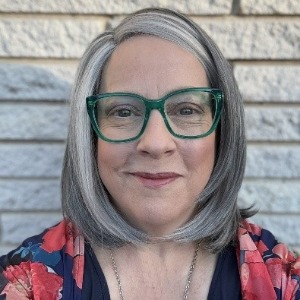
Joyce Anne Finch
Middle Tennessee State University, United States
Laura Spitaleri
Mayo Clinic, United StatesSubmit your abstract Today


Title : Overview of artificial intelligence in healthcare
Adele Webb, Strategic Education, Inc., United States
Title : Beyond cultural competence: Integrating cultural intelligence into professional nursing education and practice
Debra A Hrelic, University of North Carolina Wilmington, United States
Title : Experiences of online health information seeking behavior among patients with initial stroke during the transition period in china: A qualitative research
Xiao Yan Dong, Zhengzhou University, China
Title : A call to action for the integration of an underutilized resource: The evidence for Parkinson’s disease and music therapy
Carole Graves, Columbia University School of Nursing, United States
Title : A call to action for the integration of an underutilized resource: The evidence for Parkinson’s disease and music therapy
Klaudia J Zalewska, Columbia University School of Nursing, United States
Title : Digital health engagement in stroke patients: A concept analysis
Anni Chang, Zhengzhou University, China