
10th Edition of
Nursing World Conference
October 22-24, 2026
Ambulatory Care
Medical care that is provided on an outpatient basis is known as outpatient care, sometimes known as ambulatory care, and it comprises services for diagnosis, observation, consultation, treatment, intervention, and rehabilitation. This therapy may use cutting-edge medical methods even when given outside of hospitals. Diabetes and chronic obstructive pulmonary disease are examples of health illnesses known as ambulatory care sensitive conditions (ACSC), where effective ambulatory care can avoid or considerably reduce the need for hospital admission (or inpatient care). Several medical investigations, treatments, and preventative care, such as minor surgical and medical procedures, the majority of dental services, dermatological services, and numerous diagnostic procedures, can be performed on an outpatient basis (e.g. blood tests, X-rays, endoscopy and biopsy procedures of superficial organs).
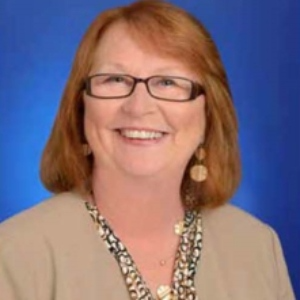
Adele Webb
Strategic Education, Inc., United States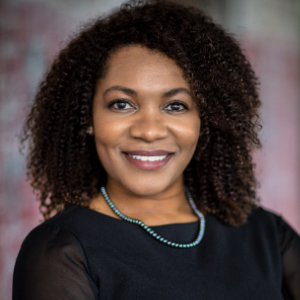
Robin Adams Geiger
Ovita Health, United States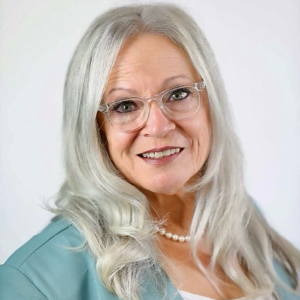
Barbara M De Groot
Heartwell Services, United States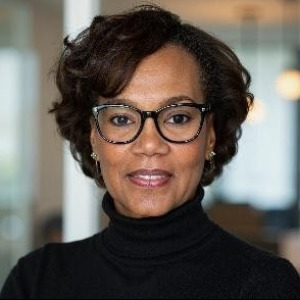
Eugenia Powell
Woodmore Consulting Group, United States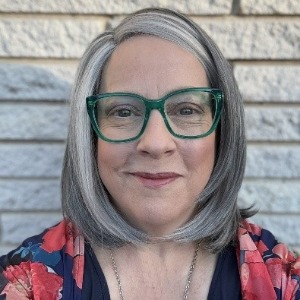
Joyce Anne Finch
Middle Tennessee State University, United States
Laura Spitaleri
Mayo Clinic, United States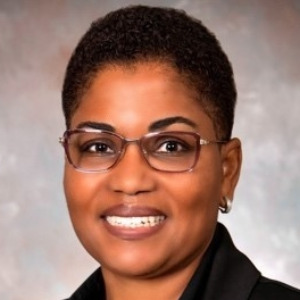
Janice K Williams
Bowie State University, United StatesSubmit your abstract Today


Title : Overview of artificial intelligence in healthcare
Adele Webb, Strategic Education, Inc., United States
Title : Will be Updated Soon....
Ismat Mikky, Bloomfield College of Montclair State University, United States
Title : Beyond cultural competence: Integrating cultural intelligence into professional nursing education and practice
Debra A Hrelic, University of North Carolina Wilmington, United States
Title : Experiences of online health information seeking behavior among patients with initial stroke during the transition period in china: A qualitative research
Xiao Yan Dong, Zhengzhou University, China
Title : A call to action for the integration of an underutilized resource: The evidence for Parkinson’s disease and music therapy
Carole Graves, Columbia University School of Nursing, United States
Title : A call to action for the integration of an underutilized resource: The evidence for Parkinson’s disease and music therapy
Klaudia J Zalewska, Columbia University School of Nursing, United States