
10th Edition of
Nursing World Conference
October 22-24, 2026
Clinical Gerontology
Clinical Gerontology emerges as a specialized discipline devoted to the intricate landscape of the health and well-being of older adults. In the ever-expanding field of gerontology, clinical gerontologists navigate the unique medical, social, and psychological challenges associated with aging. This interdisciplinary pursuit involves the application of medical and healthcare principles tailored to elderly populations. Collaborating with a spectrum of healthcare professionals, clinical gerontologists strive to optimize the care of older individuals, considering factors such as comorbidities, cognitive decline, and functional limitations. The overarching goal is to enhance the quality of life for seniors through tailored medical interventions, supportive care, and comprehensive geriatric assessments. Key terms intertwined with clinical gerontology include geriatric medicine, aging population, elder care, frailty, and geriatric assessments.
Clinical gerontologists address specific syndromes prevalent in older adults, such as frailty, falls, delirium, and polypharmacy. These syndromes often require specialized approaches for diagnosis, prevention, and management.
Adele Webb
Strategic Education, Inc., United States
Robin Adams Geiger
Ovita Health, United States
Barbara M De Groot
Heartwell Services, United States
Irina Koyfman
Affinity Expert, LLC, United States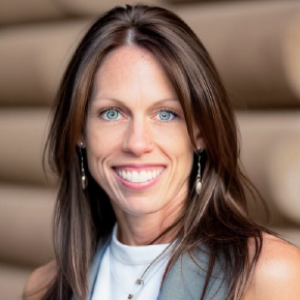
Stacey Frawley
Stony Brook University, United States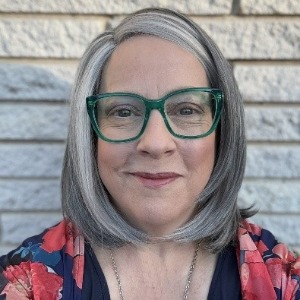
Joyce Anne Finch
Middle Tennessee State University, United States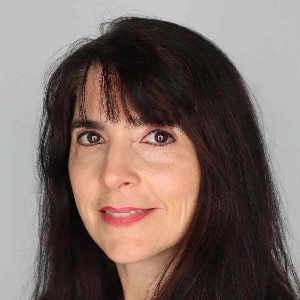
Laura Spitaleri
Mayo Clinic, United StatesSubmit your abstract Today


Title : Overview of artificial intelligence in healthcare
Adele Webb, Strategic Education, Inc., United States
Title : Beyond cultural competence: Integrating cultural intelligence into professional nursing education and practice
Debra A Hrelic, University of North Carolina Wilmington, United States
Title : Experiences of online health information seeking behavior among patients with initial stroke during the transition period in china: A qualitative research
Xiao Yan Dong, Zhengzhou University, China
Title : A call to action for the integration of an underutilized resource: The evidence for Parkinson’s disease and music therapy
Carole Graves, Columbia University School of Nursing, United States
Title : A call to action for the integration of an underutilized resource: The evidence for Parkinson’s disease and music therapy
Klaudia J Zalewska, Columbia University School of Nursing, United States
Title : Digital health engagement in stroke patients: A concept analysis
Anni Chang, Zhengzhou University, China