
10th Edition of
Nursing World Conference
October 22-24, 2026
Emergency Medical Services
Emergency Medical Services (EMS) stand as the first line of defense in times of crises, providing rapid and expert care during medical emergencies. Comprising paramedics and EMTs, EMS professionals are equipped to deliver pre-hospital care, administer life-saving interventions, and facilitate swift transportation to healthcare facilities. The crucial nature of their work necessitates continuous training, state-of-the-art equipment, and seamless coordination with hospital teams. EMS embodies the essence of urgency and precision, playing a pivotal role in reducing morbidity and mortality associated with time-sensitive medical conditions. Their commitment to swift, effective, and compassionate care makes EMS an indispensable component of the healthcare ecosystem. EMS providers adhere to legal and ethical standards, including patient confidentiality, informed consent, and documentation of care. They operate within the scope of their training and licensure. EMS services leverage technology, such as electronic patient care records (ePCR), telemedicine, and real-time communication systems, to enhance efficiency and communication during emergencies.
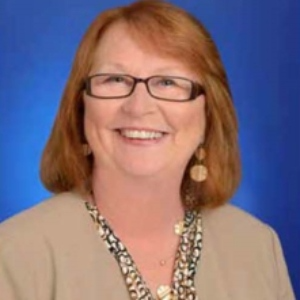
Adele Webb
Strategic Education, Inc., United States
Robin Adams Geiger
Ovita Health, United States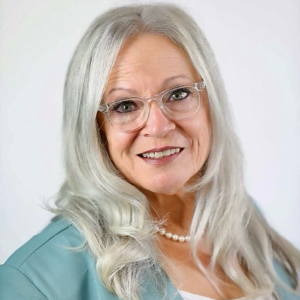
Barbara M De Groot
Heartwell Services, United States
Irina Koyfman
Affinity Expert, LLC, United States
Stacey Frawley
Stony Brook University, United States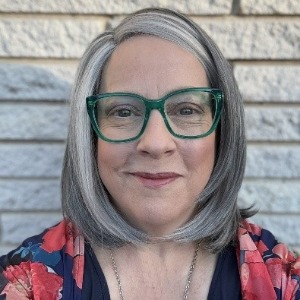
Joyce Anne Finch
Middle Tennessee State University, United States
Laura Spitaleri
Mayo Clinic, United StatesSubmit your abstract Today


Title : Overview of artificial intelligence in healthcare
Adele Webb, Strategic Education, Inc., United States
Title : Beyond cultural competence: Integrating cultural intelligence into professional nursing education and practice
Debra A Hrelic, University of North Carolina Wilmington, United States
Title : Experiences of online health information seeking behavior among patients with initial stroke during the transition period in china: A qualitative research
Xiao Yan Dong, Zhengzhou University, China
Title : A call to action for the integration of an underutilized resource: The evidence for Parkinson’s disease and music therapy
Carole Graves, Columbia University School of Nursing, United States
Title : A call to action for the integration of an underutilized resource: The evidence for Parkinson’s disease and music therapy
Klaudia J Zalewska, Columbia University School of Nursing, United States
Title : Digital health engagement in stroke patients: A concept analysis
Anni Chang, Zhengzhou University, China