
10th Edition of
Nursing World Conference
October 22-24, 2026
Food Safety
Food Safety emerges as a paramount concern in the complex web of food production, processing, and distribution. This interdisciplinary field ensures that the food supply is free from contamination, safeguarding consumers from foodborne illnesses. From stringent quality control measures to adherence to safety regulations, stakeholders in the food industry collaborate to maintain the integrity of the food supply chain. Advanced technologies, including blockchain and rapid testing methods, enhance traceability and detection of potential risks. Food safety practices not only protect public health but also contribute to the establishment of robust global food systems, reinforcing confidence in the safety and quality of the food we consume. Public awareness and education campaigns play a role in promoting safe food handling practices among consumers, food handlers, and the food industry. Information on proper cooking, storage, and hygiene practices helps reduce risks. Given the global nature of the food supply chain, international cooperation and standards contribute to harmonizing practices and ensuring the safety of imported and exported food products.

Adele Webb
Strategic Education, Inc., United States
Robin Adams Geiger
Ovita Health, United States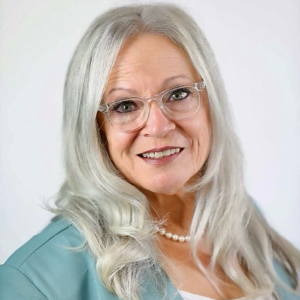
Barbara M De Groot
Heartwell Services, United States
Irina Koyfman
Affinity Expert, LLC, United States
Stacey Frawley
Stony Brook University, United States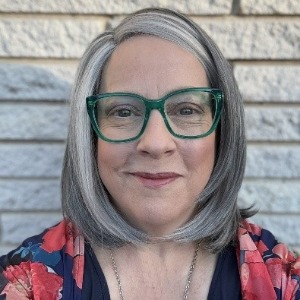
Joyce Anne Finch
Middle Tennessee State University, United States
Laura Spitaleri
Mayo Clinic, United StatesSubmit your abstract Today


Title : Overview of artificial intelligence in healthcare
Adele Webb, Strategic Education, Inc., United States
Title : Beyond cultural competence: Integrating cultural intelligence into professional nursing education and practice
Debra A Hrelic, University of North Carolina Wilmington, United States
Title : Experiences of online health information seeking behavior among patients with initial stroke during the transition period in china: A qualitative research
Xiao Yan Dong, Zhengzhou University, China
Title : A call to action for the integration of an underutilized resource: The evidence for Parkinson’s disease and music therapy
Carole Graves, Columbia University School of Nursing, United States
Title : A call to action for the integration of an underutilized resource: The evidence for Parkinson’s disease and music therapy
Klaudia J Zalewska, Columbia University School of Nursing, United States
Title : Digital health engagement in stroke patients: A concept analysis
Anni Chang, Zhengzhou University, China