
10th Edition of
Nursing World Conference
October 22-24, 2026
Heart Failure Nurses
It has been demonstrated that care delivered by specialised nurses improves outcomes for patients with chronic heart failure (CHF), considerably lowering the rate of unplanned readmissions, duration of hospital stay, medical expenses, and death. The majority of people who have coronary artery disease also have CHF. When cardiac damage has already taken place, the chance of developing heart failure can be minimised by using the proper medications at the right amounts. Cardiovascular rehabilitation centres offer a chance to monitor drug use, but their main goal is to improve patients' physical health after a heart attack. Evidence also shows that general practitioners typically hesitate to start appropriate therapies and increase medication doses, even for patients with heart failure that has been identified.
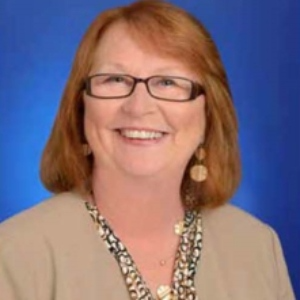
Adele Webb
Strategic Education, Inc., United States
Robin Adams Geiger
Ovita Health, United States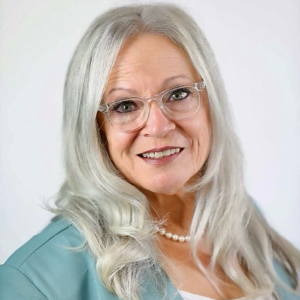
Barbara M De Groot
Heartwell Services, United States
Irina Koyfman
Affinity Expert, LLC, United States
Stacey Frawley
Stony Brook University, United States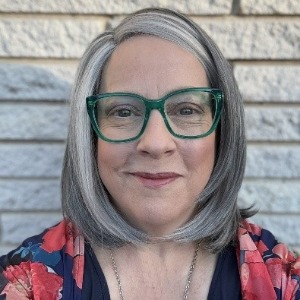
Joyce Anne Finch
Middle Tennessee State University, United States
Laura Spitaleri
Mayo Clinic, United StatesSubmit your abstract Today


Title : Overview of artificial intelligence in healthcare
Adele Webb, Strategic Education, Inc., United States
Title : Beyond cultural competence: Integrating cultural intelligence into professional nursing education and practice
Debra A Hrelic, University of North Carolina Wilmington, United States
Title : Experiences of online health information seeking behavior among patients with initial stroke during the transition period in china: A qualitative research
Xiao Yan Dong, Zhengzhou University, China
Title : A call to action for the integration of an underutilized resource: The evidence for Parkinson’s disease and music therapy
Carole Graves, Columbia University School of Nursing, United States
Title : A call to action for the integration of an underutilized resource: The evidence for Parkinson’s disease and music therapy
Klaudia J Zalewska, Columbia University School of Nursing, United States
Title : Digital health engagement in stroke patients: A concept analysis
Anni Chang, Zhengzhou University, China