
10th Edition of
Nursing World Conference
October 22-24, 2026
Hematology
Hematology, a specialized branch of medicine, delves into the study and treatment of disorders related to blood and blood-forming tissues. Hematologists are at the forefront of diagnosing and managing conditions such as anemia, leukemia, and clotting disorders. With a focus on the intricate workings of blood cells, hematology employs advanced diagnostic tools, including blood tests, bone marrow examinations, and genetic analyses. The field continually evolves, contributing to groundbreaking research and the development of innovative therapies that improve outcomes for patients with blood-related disorders. Hematology plays a vital role in both clinical practice and research, contributing to advancements in personalized medicine and the understanding of hematologic conditions.
Hematologists employ a variety of diagnostic techniques, including blood tests, bone marrow biopsies, and genetic testing, to identify and characterize hematological disorders accurately. Hematology includes the field of transfusion medicine, which focuses on blood transfusions and blood product administration. Hematologists manage the safe and effective use of blood components in medical treatments.
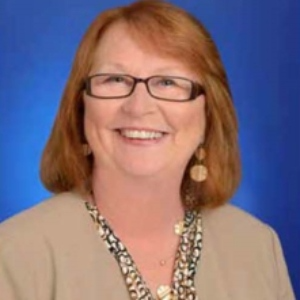
Adele Webb
Strategic Education, Inc., United States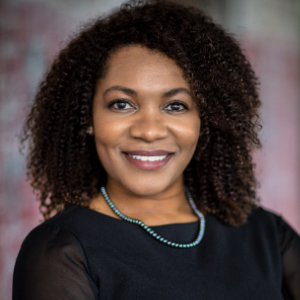
Robin Adams Geiger
Ovita Health, United States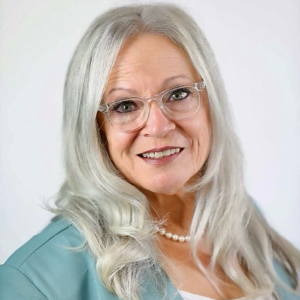
Barbara M De Groot
Heartwell Services, United States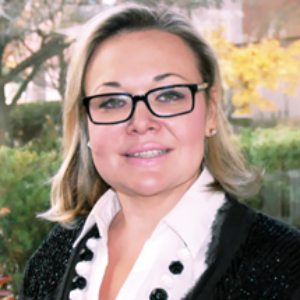
Irina Koyfman
Affinity Expert, LLC, United States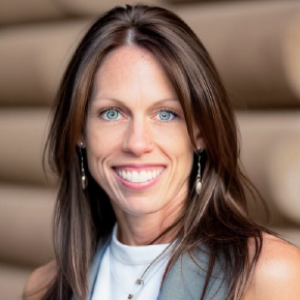
Stacey Frawley
Stony Brook University, United States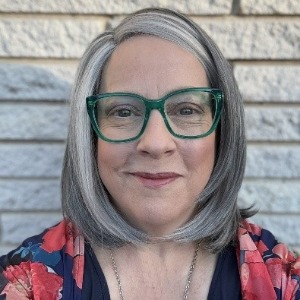
Joyce Anne Finch
Middle Tennessee State University, United States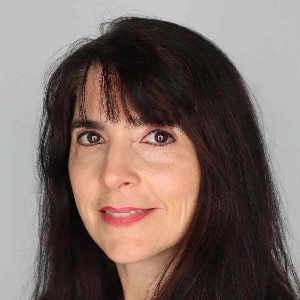
Laura Spitaleri
Mayo Clinic, United StatesSubmit your abstract Today


Title : Overview of artificial intelligence in healthcare
Adele Webb, Strategic Education, Inc., United States
Title : Beyond cultural competence: Integrating cultural intelligence into professional nursing education and practice
Debra A Hrelic, University of North Carolina Wilmington, United States
Title : Experiences of online health information seeking behavior among patients with initial stroke during the transition period in china: A qualitative research
Xiao Yan Dong, Zhengzhou University, China
Title : A call to action for the integration of an underutilized resource: The evidence for Parkinson’s disease and music therapy
Carole Graves, Columbia University School of Nursing, United States
Title : A call to action for the integration of an underutilized resource: The evidence for Parkinson’s disease and music therapy
Klaudia J Zalewska, Columbia University School of Nursing, United States
Title : Digital health engagement in stroke patients: A concept analysis
Anni Chang, Zhengzhou University, China