
10th Edition of
Nursing World Conference
October 22-24, 2026
Hepatology
Hepatology, a specialized branch of medicine, is dedicated to the study and management of diseases related to the liver. Hepatologists specialize in diagnosing and treating conditions such as hepatitis, cirrhosis, and liver cancer. The liver, a vital organ with diverse functions, is central to metabolic processes and detoxification. Hepatologists utilize a comprehensive approach, employing advanced diagnostic techniques, imaging studies, and liver biopsy to assess and manage liver diseases. The field also encompasses liver transplantation and the development of innovative therapies for various liver conditions. As hepatology continues to advance, it plays a crucial role in understanding liver health, contributing to improved patient outcomes and the overall well-being of individuals with liver diseases.
Hepatologists are involved in the diagnosis and treatment of liver cancer, particularly hepatocellular carcinoma (HCC). They may collaborate with oncologists, surgeons, and radiologists to develop comprehensive treatment plans. Hepatologists diagnose and manage genetic liver disorders, including hemochromatosis, Wilson's disease, and alpha-1 antitrypsin deficiency, which can affect the liver's structure and function.
Adele Webb
Strategic Education, Inc., United States
Robin Adams Geiger
Ovita Health, United States
Barbara M De Groot
Heartwell Services, United States
Irina Koyfman
Affinity Expert, LLC, United States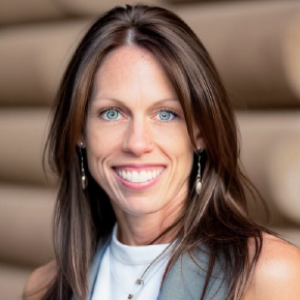
Stacey Frawley
Stony Brook University, United States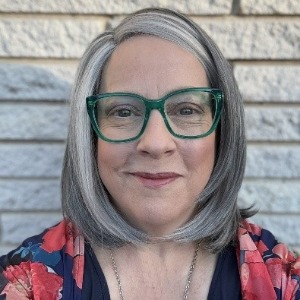
Joyce Anne Finch
Middle Tennessee State University, United States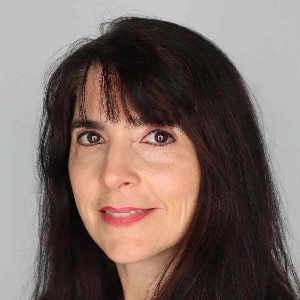
Laura Spitaleri
Mayo Clinic, United StatesSubmit your abstract Today


Title : Overview of artificial intelligence in healthcare
Adele Webb, Strategic Education, Inc., United States
Title : Beyond cultural competence: Integrating cultural intelligence into professional nursing education and practice
Debra A Hrelic, University of North Carolina Wilmington, United States
Title : Experiences of online health information seeking behavior among patients with initial stroke during the transition period in china: A qualitative research
Xiao Yan Dong, Zhengzhou University, China
Title : A call to action for the integration of an underutilized resource: The evidence for Parkinson’s disease and music therapy
Carole Graves, Columbia University School of Nursing, United States
Title : A call to action for the integration of an underutilized resource: The evidence for Parkinson’s disease and music therapy
Klaudia J Zalewska, Columbia University School of Nursing, United States
Title : Digital health engagement in stroke patients: A concept analysis
Anni Chang, Zhengzhou University, China