
10th Edition of
Nursing World Conference
October 22-24, 2026
Integrative Medicine
Integrative Medicine represents a paradigm shift in healthcare, embracing a holistic and patient-centered philosophy that integrates conventional medical practices with evidence-based complementary therapies. This approach recognizes that health is not solely determined by the absence of disease but involves the interconnected dynamics of physical, emotional, and spiritual well-being.
Unlike traditional medicine, which often focuses on symptom management, Integrative Medicine delves into the root causes of illness. It emphasizes the importance of understanding the patient's lifestyle, environment, and individual factors in crafting personalized treatment plans. Therapies such as acupuncture, herbal medicine, mind-body practices, and nutritional interventions are employed to complement conventional medical interventions.
Integrative Medicine also places a significant emphasis on prevention, recognizing that a proactive approach to health can mitigate the risk of chronic diseases. By promoting healthy behaviors, encouraging stress management, and addressing lifestyle factors.
Adele Webb
Strategic Education, Inc., United States
Robin Adams Geiger
Ovita Health, United States
Barbara M De Groot
Heartwell Services, United States
Irina Koyfman
Affinity Expert, LLC, United States
Stacey Frawley
Stony Brook University, United States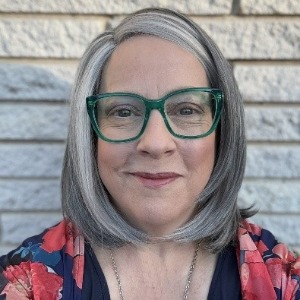
Joyce Anne Finch
Middle Tennessee State University, United States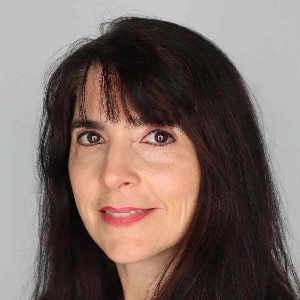
Laura Spitaleri
Mayo Clinic, United StatesSubmit your abstract Today


Title : Overview of artificial intelligence in healthcare
Adele Webb, Strategic Education, Inc., United States
Title : Beyond cultural competence: Integrating cultural intelligence into professional nursing education and practice
Debra A Hrelic, University of North Carolina Wilmington, United States
Title : Experiences of online health information seeking behavior among patients with initial stroke during the transition period in china: A qualitative research
Xiao Yan Dong, Zhengzhou University, China
Title : A call to action for the integration of an underutilized resource: The evidence for Parkinson’s disease and music therapy
Carole Graves, Columbia University School of Nursing, United States
Title : A call to action for the integration of an underutilized resource: The evidence for Parkinson’s disease and music therapy
Klaudia J Zalewska, Columbia University School of Nursing, United States
Title : Digital health engagement in stroke patients: A concept analysis
Anni Chang, Zhengzhou University, China