
10th Edition of
Nursing World Conference
October 22-24, 2026
Medical Ethics
Medical ethics is the moral compass that guides healthcare professionals in providing optimal patient care. At its core are four fundamental principles: autonomy, beneficence, non-maleficence, and justice. Autonomy emphasizes respecting patients' rights to make decisions about their healthcare, while beneficence and non-maleficence focus on promoting good and avoiding harm. Justice pertains to the fair distribution of resources and the equitable treatment of individuals.
Ethical dilemmas frequently arise in healthcare settings, ranging from end-of-life decisions to issues related to confidentiality and informed consent. Striking a balance between respecting patient autonomy and ensuring their well-being can be challenging. Additionally, the evolving landscape of medical technology introduces new ethical considerations, such as those related to genetic testing and artificial intelligence in healthcare. Navigating these complexities requires ongoing education, open communication, and a commitment to upholding ethical standards.
In conclusion, medical ethics is a dynamic field that evolves alongside advancements in medicine and technology. Continuous dialogue and reflection within the healthcare community are essential to address emerging ethical challenges and ensure that patient care remains ethically sound and patient-centered.
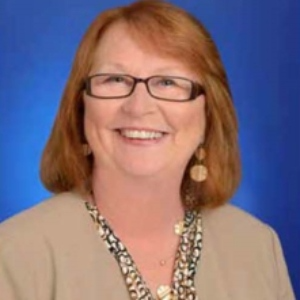
Adele Webb
Strategic Education, Inc., United States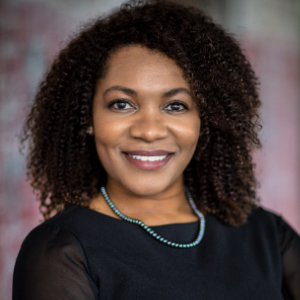
Robin Adams Geiger
Ovita Health, United States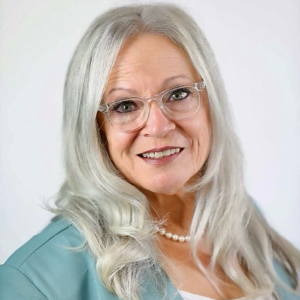
Barbara M De Groot
Heartwell Services, United States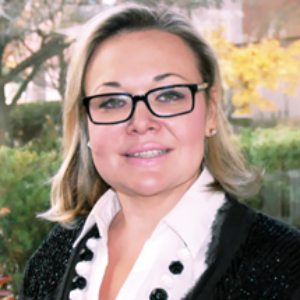
Irina Koyfman
Affinity Expert, LLC, United States
Stacey Frawley
Stony Brook University, United States
Joyce Anne Finch
Middle Tennessee State University, United States
Laura Spitaleri
Mayo Clinic, United StatesSubmit your abstract Today


Title : Overview of artificial intelligence in healthcare
Adele Webb, Strategic Education, Inc., United States
Title : Beyond cultural competence: Integrating cultural intelligence into professional nursing education and practice
Debra A Hrelic, University of North Carolina Wilmington, United States
Title : Experiences of online health information seeking behavior among patients with initial stroke during the transition period in china: A qualitative research
Xiao Yan Dong, Zhengzhou University, China
Title : A call to action for the integration of an underutilized resource: The evidence for Parkinson’s disease and music therapy
Carole Graves, Columbia University School of Nursing, United States
Title : A call to action for the integration of an underutilized resource: The evidence for Parkinson’s disease and music therapy
Klaudia J Zalewska, Columbia University School of Nursing, United States
Title : Digital health engagement in stroke patients: A concept analysis
Anni Chang, Zhengzhou University, China