
10th Edition of
Nursing World Conference
October 22-24, 2026
Nephrology
Nephrology is the medical specialty that focuses on the study and treatment of kidney-related conditions. The kidneys play a critical role in maintaining overall health by regulating fluid balance, electrolytes, and waste removal from the blood. Nephrologists diagnose and manage a range of conditions, including chronic kidney disease, kidney stones, and various forms of renal failure. The field incorporates a multidisciplinary approach involving medical management, dialysis, and kidney transplantation.
Advancements in nephrology include the development of more efficient dialysis techniques, improved immunosuppressive medications for transplant recipients, and a growing understanding of the genetic factors influencing kidney diseases. Ethical considerations in nephrology include decisions about organ transplantation, allocation of resources, and the ethical implications of emerging technologies in renal replacement therapy.
In conclusion, nephrology is a dynamic field that continues to advance our understanding of kidney health and offers innovative approaches to the management of kidney-related disorders.
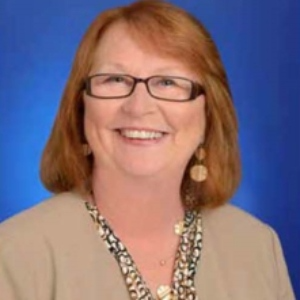
Adele Webb
Strategic Education, Inc., United States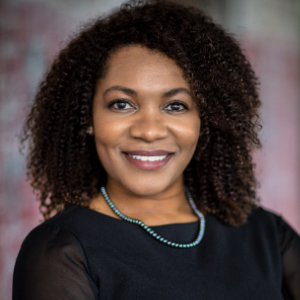
Robin Adams Geiger
Ovita Health, United States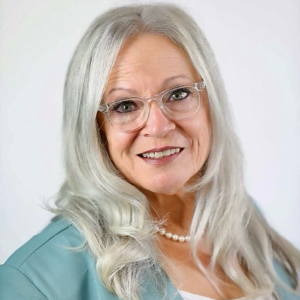
Barbara M De Groot
Heartwell Services, United States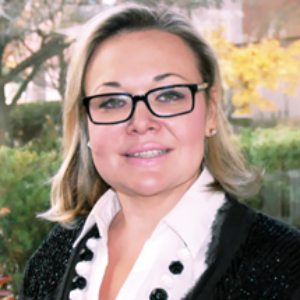
Irina Koyfman
Affinity Expert, LLC, United States
Stacey Frawley
Stony Brook University, United States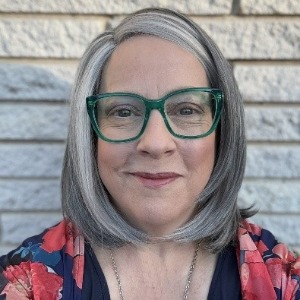
Joyce Anne Finch
Middle Tennessee State University, United States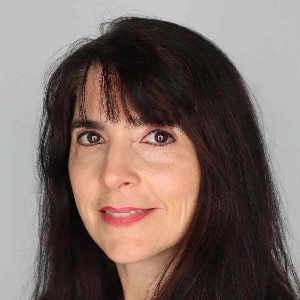
Laura Spitaleri
Mayo Clinic, United StatesSubmit your abstract Today


Title : Overview of artificial intelligence in healthcare
Adele Webb, Strategic Education, Inc., United States
Title : Beyond cultural competence: Integrating cultural intelligence into professional nursing education and practice
Debra A Hrelic, University of North Carolina Wilmington, United States
Title : Experiences of online health information seeking behavior among patients with initial stroke during the transition period in china: A qualitative research
Xiao Yan Dong, Zhengzhou University, China
Title : A call to action for the integration of an underutilized resource: The evidence for Parkinson’s disease and music therapy
Carole Graves, Columbia University School of Nursing, United States
Title : A call to action for the integration of an underutilized resource: The evidence for Parkinson’s disease and music therapy
Klaudia J Zalewska, Columbia University School of Nursing, United States
Title : Digital health engagement in stroke patients: A concept analysis
Anni Chang, Zhengzhou University, China