
10th Edition of
Nursing World Conference
October 22-24, 2026
Nursing Administration
A leadership position in a specific healthcare environment is nursing administration. By putting into practise the policies created by the nurse administrator or senior staff, personnel, patients, and facilities are managed strategically. Although they may not be directly involved in patients' daily care, nurse administrators are busy with scheduling, budget management, supervising nurses, preparing reports, and guaranteeing high-quality patient care. Because nursing is such a specialist field, nursing administration is essential to a well-functioning medical facility. Another nurse with specific training in leadership and management makes the finest nurse supervisor. The primary responsibilities of a nurse administrator include patient and staff assessment, issue, problem, and trend identification, outcome identification, plan development, and plan implementation.
Adele Webb
Strategic Education, Inc., United States
Robin Adams Geiger
Ovita Health, United States
Barbara M De Groot
Heartwell Services, United States
Irina Koyfman
Affinity Expert, LLC, United States
Stacey Frawley
Stony Brook University, United States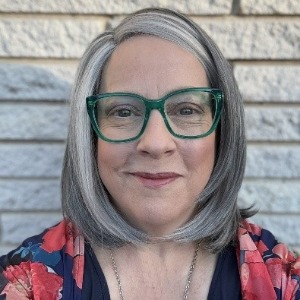
Joyce Anne Finch
Middle Tennessee State University, United States
Laura Spitaleri
Mayo Clinic, United StatesSubmit your abstract Today


Title : Overview of artificial intelligence in healthcare
Adele Webb, Strategic Education, Inc., United States
Title : Beyond cultural competence: Integrating cultural intelligence into professional nursing education and practice
Debra A Hrelic, University of North Carolina Wilmington, United States
Title : Experiences of online health information seeking behavior among patients with initial stroke during the transition period in china: A qualitative research
Xiao Yan Dong, Zhengzhou University, China
Title : A call to action for the integration of an underutilized resource: The evidence for Parkinson’s disease and music therapy
Carole Graves, Columbia University School of Nursing, United States
Title : A call to action for the integration of an underutilized resource: The evidence for Parkinson’s disease and music therapy
Klaudia J Zalewska, Columbia University School of Nursing, United States
Title : Digital health engagement in stroke patients: A concept analysis
Anni Chang, Zhengzhou University, China