
10th Edition of
Nursing World Conference
October 22-24, 2026
Orthopaedic And Trauma Nursing
The critical information, direction, and expertise needed to support good practise are provided to practitioners working in orthopaedic and musculoskeletal trauma settings by Orthopaedic and Trauma Nursing. Any serious injury to the bones, joints, or soft tissue that results from an outside source is referred to as orthopaedic trauma. These injuries are frequently brought on by an unexpected event, such as a vehicle accident or slip and fall, but not always. Overuse can also result in trauma; for instance, running long distances frequently results in tibial stress fractures, which are minute hairline cracks in the lower leg. The term "orthopaedic trauma" covers a wide range of wounds, from minor fractures to incidents that can be fatal. The aim of surgeons who specialise in this field is to swiftly and successfully restore the function of the injured body part(s) despite the fact that there are several varieties of traumatic orthopaedic injuries.
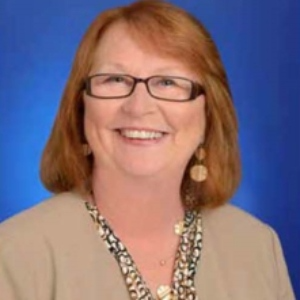
Adele Webb
Strategic Education, Inc., United States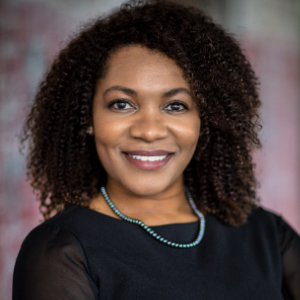
Robin Adams Geiger
Ovita Health, United States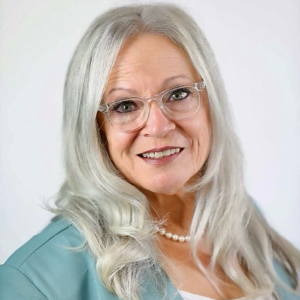
Barbara M De Groot
Heartwell Services, United States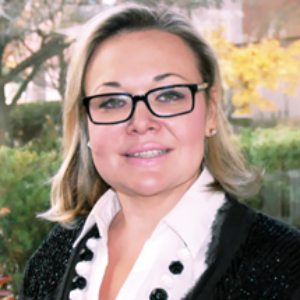
Irina Koyfman
Affinity Expert, LLC, United States
Stacey Frawley
Stony Brook University, United States
Joyce Anne Finch
Middle Tennessee State University, United States
Laura Spitaleri
Mayo Clinic, United StatesSubmit your abstract Today


Title : Overview of artificial intelligence in healthcare
Adele Webb, Strategic Education, Inc., United States
Title : Beyond cultural competence: Integrating cultural intelligence into professional nursing education and practice
Debra A Hrelic, University of North Carolina Wilmington, United States
Title : Experiences of online health information seeking behavior among patients with initial stroke during the transition period in china: A qualitative research
Xiao Yan Dong, Zhengzhou University, China
Title : A call to action for the integration of an underutilized resource: The evidence for Parkinson’s disease and music therapy
Carole Graves, Columbia University School of Nursing, United States
Title : A call to action for the integration of an underutilized resource: The evidence for Parkinson’s disease and music therapy
Klaudia J Zalewska, Columbia University School of Nursing, United States
Title : Digital health engagement in stroke patients: A concept analysis
Anni Chang, Zhengzhou University, China