
10th Edition of
Nursing World Conference
October 22-24, 2026
Otorhinolaryngology
Otorhinolaryngology, often referred to as ENT (ear, nose, and throat) medicine, is a specialized branch of medicine dealing with disorders of the head and neck. Otorhinolaryngologists diagnose and treat conditions ranging from hearing loss and sinus issues to throat and voice disorders. Ethical considerations in this field include transparent communication with patients about diagnoses and treatment options, ensuring informed consent for procedures, and addressing issues related to patient confidentiality. Given the sensory and communicative nature of the organs involved, otorhinolaryngology demands a nuanced ethical approach, emphasizing patient education and shared decision-making in the management of diverse head and neck conditions. The field's commitment to ethical practices ensures that patients receive comprehensive care that aligns with their individual needs and values.
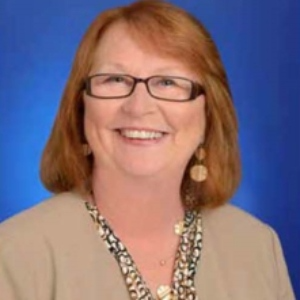
Adele Webb
Strategic Education, Inc., United States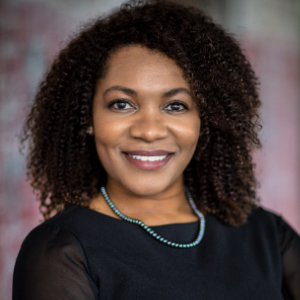
Robin Adams Geiger
Ovita Health, United States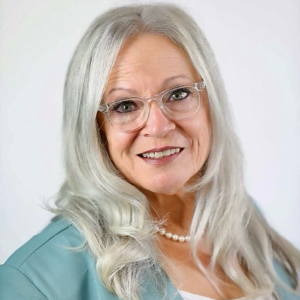
Barbara M De Groot
Heartwell Services, United States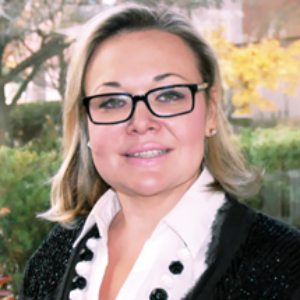
Irina Koyfman
Affinity Expert, LLC, United States
Stacey Frawley
Stony Brook University, United States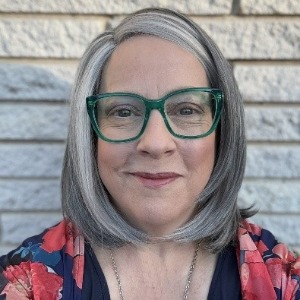
Joyce Anne Finch
Middle Tennessee State University, United States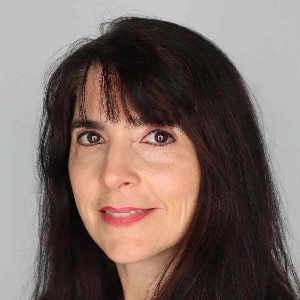
Laura Spitaleri
Mayo Clinic, United StatesSubmit your abstract Today


Title : Overview of artificial intelligence in healthcare
Adele Webb, Strategic Education, Inc., United States
Title : Beyond cultural competence: Integrating cultural intelligence into professional nursing education and practice
Debra A Hrelic, University of North Carolina Wilmington, United States
Title : Experiences of online health information seeking behavior among patients with initial stroke during the transition period in china: A qualitative research
Xiao Yan Dong, Zhengzhou University, China
Title : A call to action for the integration of an underutilized resource: The evidence for Parkinson’s disease and music therapy
Carole Graves, Columbia University School of Nursing, United States
Title : A call to action for the integration of an underutilized resource: The evidence for Parkinson’s disease and music therapy
Klaudia J Zalewska, Columbia University School of Nursing, United States
Title : Digital health engagement in stroke patients: A concept analysis
Anni Chang, Zhengzhou University, China