
10th Edition of
Nursing World Conference
October 22-24, 2026
Pandemic And Role Of Nurses
The American Academy of Nursing asserts in "Expanding Nursing's Role in Responding to Global Pandemics" that nurses are prepared for leadership roles in policy decisions of health systems and government agencies and can prepare for, identify, respond to, and direct recovery efforts for global pandemics that require an informed, internationally coordinated response. In other words, nurses are (and have always been) ideally qualified to cope with the long-term crises of a pandemic, and their presence on the front lines is one of our most effective disease-fighting strategies. Nurses are suited for this job since they already have expertise dealing closely with patients. By drawing on that experience and rapidly analysing a patient's state, infection transmission may (and frequently is) substantially reduced.
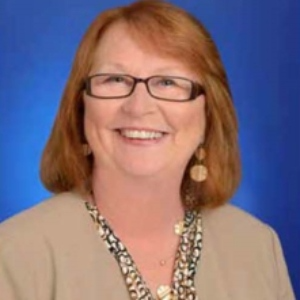
Adele Webb
Strategic Education, Inc., United States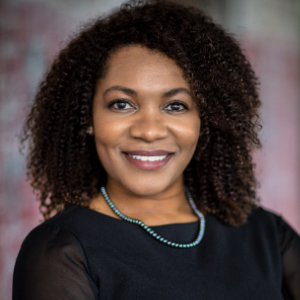
Robin Adams Geiger
Ovita Health, United States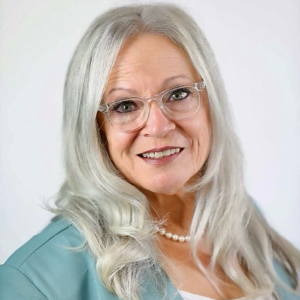
Barbara M De Groot
Heartwell Services, United States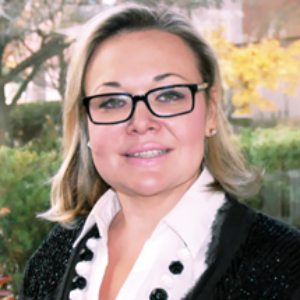
Irina Koyfman
Affinity Expert, LLC, United States
Stacey Frawley
Stony Brook University, United States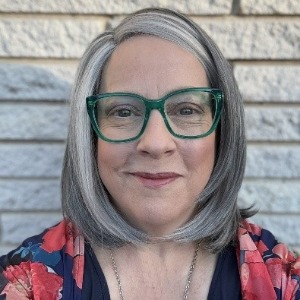
Joyce Anne Finch
Middle Tennessee State University, United States
Laura Spitaleri
Mayo Clinic, United StatesSubmit your abstract Today


Title : Overview of artificial intelligence in healthcare
Adele Webb, Strategic Education, Inc., United States
Title : Beyond cultural competence: Integrating cultural intelligence into professional nursing education and practice
Debra A Hrelic, University of North Carolina Wilmington, United States
Title : Experiences of online health information seeking behavior among patients with initial stroke during the transition period in china: A qualitative research
Xiao Yan Dong, Zhengzhou University, China
Title : A call to action for the integration of an underutilized resource: The evidence for Parkinson’s disease and music therapy
Carole Graves, Columbia University School of Nursing, United States
Title : A call to action for the integration of an underutilized resource: The evidence for Parkinson’s disease and music therapy
Klaudia J Zalewska, Columbia University School of Nursing, United States
Title : Digital health engagement in stroke patients: A concept analysis
Anni Chang, Zhengzhou University, China