
10th Edition of
Nursing World Conference
October 22-24, 2026
Pastoral Care
Pastoral care, often associated with religious or spiritual support, plays a crucial role in healthcare, addressing the holistic well-being of individuals. Pastoral care involve respecting the diverse beliefs and values of patients, ensuring that spiritual interventions align with patients' preferences and cultural backgrounds. Pastoral care providers navigate complex ethical discussions around the boundaries between spiritual support and medical decision-making, emphasizing collaborative and patient-centered approaches. The ethical landscape in pastoral care extends to issues of confidentiality, patient autonomy, and the promotion of a healing environment that acknowledges the spiritual dimensions of health. As pastoral care continues to evolve, ethical frameworks guide practitioners in fostering a compassionate and inclusive approach that complements medical care while upholding the principles of respect, dignity, and patient choice.
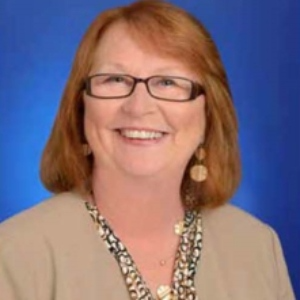
Adele Webb
Strategic Education, Inc., United States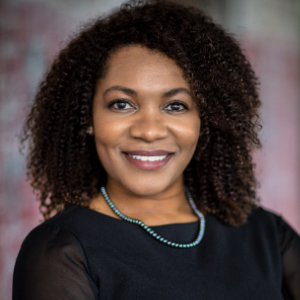
Robin Adams Geiger
Ovita Health, United States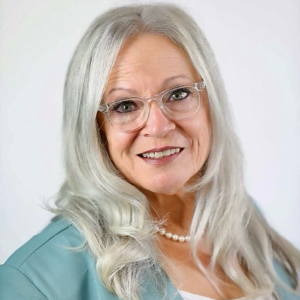
Barbara M De Groot
Heartwell Services, United States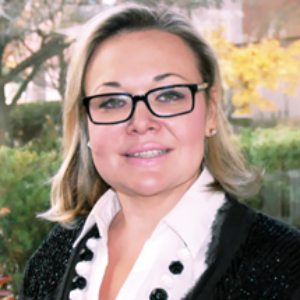
Irina Koyfman
Affinity Expert, LLC, United States
Stacey Frawley
Stony Brook University, United States
Joyce Anne Finch
Middle Tennessee State University, United States
Laura Spitaleri
Mayo Clinic, United StatesSubmit your abstract Today


Title : Overview of artificial intelligence in healthcare
Adele Webb, Strategic Education, Inc., United States
Title : Beyond cultural competence: Integrating cultural intelligence into professional nursing education and practice
Debra A Hrelic, University of North Carolina Wilmington, United States
Title : Experiences of online health information seeking behavior among patients with initial stroke during the transition period in china: A qualitative research
Xiao Yan Dong, Zhengzhou University, China
Title : A call to action for the integration of an underutilized resource: The evidence for Parkinson’s disease and music therapy
Carole Graves, Columbia University School of Nursing, United States
Title : A call to action for the integration of an underutilized resource: The evidence for Parkinson’s disease and music therapy
Klaudia J Zalewska, Columbia University School of Nursing, United States
Title : Digital health engagement in stroke patients: A concept analysis
Anni Chang, Zhengzhou University, China