
10th Edition of
Nursing World Conference
October 22-24, 2026
Pathology and Pathological Disorders
Pathology, the study of diseases, raises profound ethical considerations in both diagnosis and research. In diagnostic pathology, ethical frameworks emphasize accurate reporting, transparent communication with patients, and respecting patient autonomy in choosing diagnostic procedures. Discussions around the responsible use of genetic information and the potential implications for patients and their families underscore pathology. In research, ethical practices in pathology involve obtaining informed consent, ensuring data privacy, and maintaining the highest standards of scientific integrity. As pathology advances with technologies like digital pathology and artificial intelligence, ethical discourse remains central to navigating the evolving landscape while prioritizing patient welfare and upholding ethical responsibilities to society.
Pathological disorders, also known as pathological conditions or diseases, refer to abnormal conditions or dysfunctions in the body that disrupt normal physiological processes. These disorders can affect various organs, tissues, and systems, leading to deviations from normal structure or function. Pathological disorders can result from genetic factors, infections, environmental influences, lifestyle choices, or a combination of these.
Adele Webb
Strategic Education, Inc., United States
Robin Adams Geiger
Ovita Health, United States
Barbara M De Groot
Heartwell Services, United States
Irina Koyfman
Affinity Expert, LLC, United States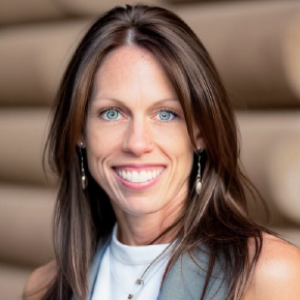
Stacey Frawley
Stony Brook University, United States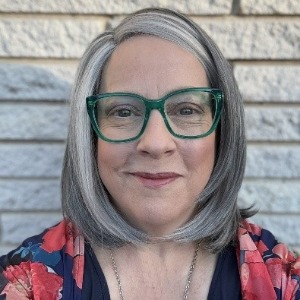
Joyce Anne Finch
Middle Tennessee State University, United States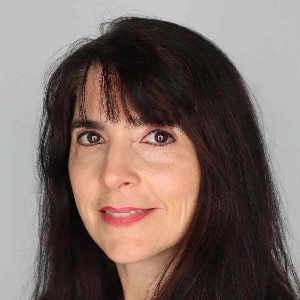
Laura Spitaleri
Mayo Clinic, United StatesSubmit your abstract Today


Title : Overview of artificial intelligence in healthcare
Adele Webb, Strategic Education, Inc., United States
Title : Beyond cultural competence: Integrating cultural intelligence into professional nursing education and practice
Debra A Hrelic, University of North Carolina Wilmington, United States
Title : Experiences of online health information seeking behavior among patients with initial stroke during the transition period in china: A qualitative research
Xiao Yan Dong, Zhengzhou University, China
Title : A call to action for the integration of an underutilized resource: The evidence for Parkinson’s disease and music therapy
Carole Graves, Columbia University School of Nursing, United States
Title : A call to action for the integration of an underutilized resource: The evidence for Parkinson’s disease and music therapy
Klaudia J Zalewska, Columbia University School of Nursing, United States
Title : Digital health engagement in stroke patients: A concept analysis
Anni Chang, Zhengzhou University, China