
10th Edition of
Nursing World Conference
October 22-24, 2026
Placebo Studies
Placebo studies in evidence-based healthcare explore the complex interplay between psychological and physiological responses to inert substances or interventions. While placebos themselves lack therapeutic properties, the studies aim to understand the impact of patient expectations, beliefs, and the mind-body connection on health outcomes.
These studies involve rigorous methodologies, often employing randomized controlled trials, to isolate and measure the placebo effect. By comparing the outcomes of a placebo group with those of a treatment group, researchers can discern the true efficacy of medical interventions beyond the placebo response.
Placebo studies contribute valuable insights into the subjective elements of healing and emphasize the importance of considering psychological factors in healthcare. Understanding the placebo effect enhances the interpretation of treatment outcomes and informs evidence-based practices, guiding healthcare professionals in delivering more comprehensive and effective care.
Adele Webb
Strategic Education, Inc., United States
Robin Adams Geiger
Ovita Health, United States
Barbara M De Groot
Heartwell Services, United States
Irina Koyfman
Affinity Expert, LLC, United States
Stacey Frawley
Stony Brook University, United States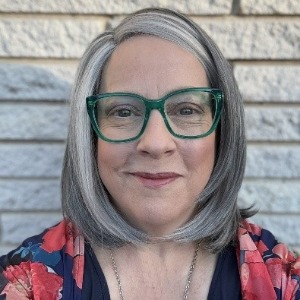
Joyce Anne Finch
Middle Tennessee State University, United States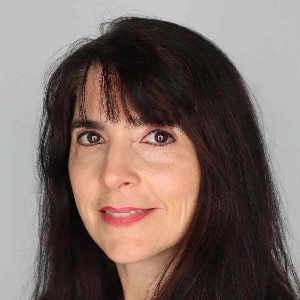
Laura Spitaleri
Mayo Clinic, United StatesSubmit your abstract Today


Title : Overview of artificial intelligence in healthcare
Adele Webb, Strategic Education, Inc., United States
Title : Beyond cultural competence: Integrating cultural intelligence into professional nursing education and practice
Debra A Hrelic, University of North Carolina Wilmington, United States
Title : Experiences of online health information seeking behavior among patients with initial stroke during the transition period in china: A qualitative research
Xiao Yan Dong, Zhengzhou University, China
Title : A call to action for the integration of an underutilized resource: The evidence for Parkinson’s disease and music therapy
Carole Graves, Columbia University School of Nursing, United States
Title : A call to action for the integration of an underutilized resource: The evidence for Parkinson’s disease and music therapy
Klaudia J Zalewska, Columbia University School of Nursing, United States
Title : Digital health engagement in stroke patients: A concept analysis
Anni Chang, Zhengzhou University, China