
10th Edition of
Nursing World Conference
October 22-24, 2026
Regenerative Medicine
Regenerative medicine is a cutting-edge field that focuses on harnessing the body's natural ability to repair, replace, and regenerate damaged or diseased tissues. This interdisciplinary approach combines principles from biology, genetics, tissue engineering, and stem cell research to develop innovative therapies. The goal of regenerative medicine is to restore normal function to damaged tissues and organs, offering potential treatments for a variety of conditions.
Key components of regenerative medicine include stem cell therapy, tissue engineering, and gene therapy. Stem cells, with their unique ability to differentiate into various cell types, play a central role in regenerating damaged tissues. Tissue engineering involves creating artificial organs or tissues that can be implanted to replace damaged ones. Gene therapy aims to modify or replace faulty genes to correct genetic disorders.
Applications of regenerative medicine span across multiple medical fields, including orthopedics, cardiology, neurology, and more. Ongoing research in regenerative medicine holds promise for addressing previously untreatable conditions and transforming the landscape of modern medicine.
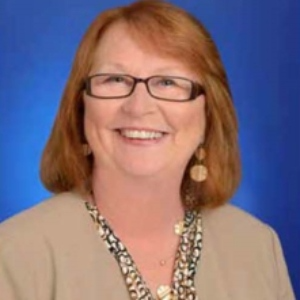
Adele Webb
Strategic Education, Inc., United States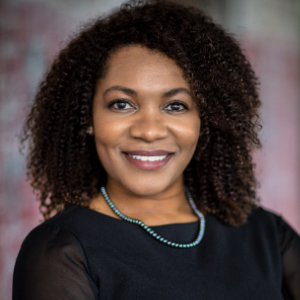
Robin Adams Geiger
Ovita Health, United States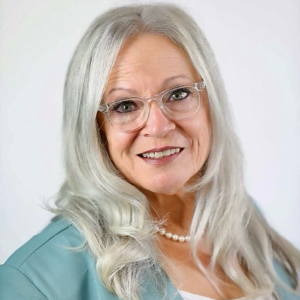
Barbara M De Groot
Heartwell Services, United States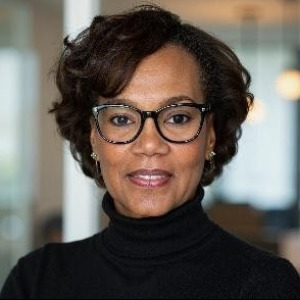
Eugenia Powell
Woodmore Consulting Group, United States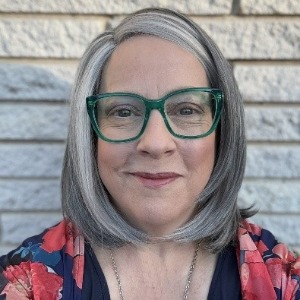
Joyce Anne Finch
Middle Tennessee State University, United States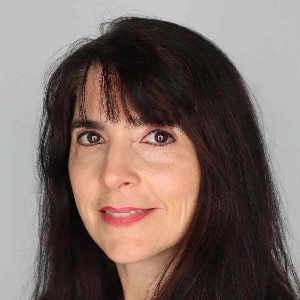
Laura Spitaleri
Mayo Clinic, United States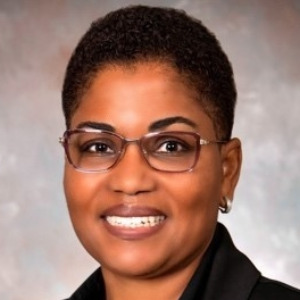
Janice K Williams
Bowie State University, United StatesSubmit your abstract Today


Title : Overview of artificial intelligence in healthcare
Adele Webb, Strategic Education, Inc., United States
Title : Will be Updated Soon....
Ismat Mikky, Bloomfield College of Montclair State University, United States
Title : Beyond cultural competence: Integrating cultural intelligence into professional nursing education and practice
Debra A Hrelic, University of North Carolina Wilmington, United States
Title : Experiences of online health information seeking behavior among patients with initial stroke during the transition period in china: A qualitative research
Xiao Yan Dong, Zhengzhou University, China
Title : A call to action for the integration of an underutilized resource: The evidence for Parkinson’s disease and music therapy
Carole Graves, Columbia University School of Nursing, United States
Title : A call to action for the integration of an underutilized resource: The evidence for Parkinson’s disease and music therapy
Klaudia J Zalewska, Columbia University School of Nursing, United States