
10th Edition of
Nursing World Conference
October 22-24, 2026
Urology and Kidney Failure
Urology focuses on the diagnosis and treatment of conditions related to the urinary tract and male reproductive system. In the realm of urology, significant advancements are being made in the management of kidney failure, particularly through innovations in renal replacement therapies.
Hemodialysis and peritoneal dialysis have long been the standard treatments for kidney failure. However, researchers are exploring alternatives such as wearable artificial kidneys and bioengineered kidneys. These innovations aim to improve the quality of life for individuals with kidney failure by providing more continuous and efficient renal support.
In addition to technological advancements, personalized medicine is playing a role in tailoring treatment approaches for kidney diseases. Genetic profiling and precision medicine help identify specific factors contributing to kidney failure, allowing for targeted interventions and potentially delaying or preventing disease progression.
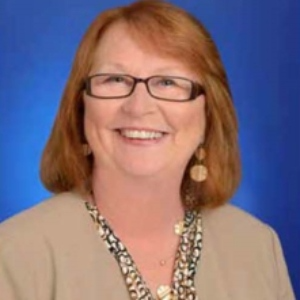
Adele Webb
Strategic Education, Inc., United States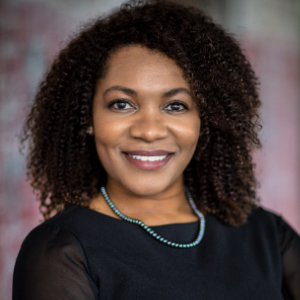
Robin Adams Geiger
Ovita Health, United States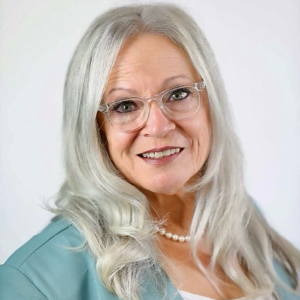
Barbara M De Groot
Heartwell Services, United States
Irina Koyfman
Affinity Expert, LLC, United States
Stacey Frawley
Stony Brook University, United States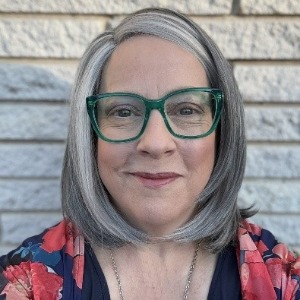
Joyce Anne Finch
Middle Tennessee State University, United States
Laura Spitaleri
Mayo Clinic, United StatesSubmit your abstract Today


Title : Overview of artificial intelligence in healthcare
Adele Webb, Strategic Education, Inc., United States
Title : Beyond cultural competence: Integrating cultural intelligence into professional nursing education and practice
Debra A Hrelic, University of North Carolina Wilmington, United States
Title : Experiences of online health information seeking behavior among patients with initial stroke during the transition period in china: A qualitative research
Xiao Yan Dong, Zhengzhou University, China
Title : A call to action for the integration of an underutilized resource: The evidence for Parkinson’s disease and music therapy
Carole Graves, Columbia University School of Nursing, United States
Title : A call to action for the integration of an underutilized resource: The evidence for Parkinson’s disease and music therapy
Klaudia J Zalewska, Columbia University School of Nursing, United States
Title : Digital health engagement in stroke patients: A concept analysis
Anni Chang, Zhengzhou University, China