
10th Edition of
Nursing World Conference
October 22-24, 2026
Urology Nursing
The care of patients with urological issues is the area of expertise for urology nurses. Among their responsibilities include patient education, diagnostic testing, helping with procedures and treatments, and supporting patients and their families. The numerous urological diseases, treatments, and procedures must also be known to urology nurses. Additionally, they could take part in urology-related research and clinical studies. Wards and orthologists are doctors who, after earning their general medical degree, have chosen to specialise in the discipline. Following the successful completion of a residency programme, many urologists elect to pursue additional advanced training during a fellowship spanning an additional 12 to 36 months in a speciality area of competence. The following subspecialties are possible: endourology and endourologic surgery, urologic oncology, and urologic oncological surgery.
Adele Webb
Strategic Education, Inc., United States
Robin Adams Geiger
Ovita Health, United States
Barbara M De Groot
Heartwell Services, United States
Irina Koyfman
Affinity Expert, LLC, United States
Stacey Frawley
Stony Brook University, United States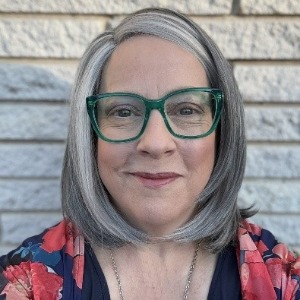
Joyce Anne Finch
Middle Tennessee State University, United States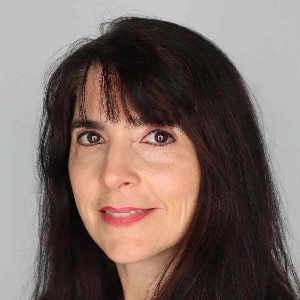
Laura Spitaleri
Mayo Clinic, United StatesSubmit your abstract Today


Title : Overview of artificial intelligence in healthcare
Adele Webb, Strategic Education, Inc., United States
Title : Beyond cultural competence: Integrating cultural intelligence into professional nursing education and practice
Debra A Hrelic, University of North Carolina Wilmington, United States
Title : Experiences of online health information seeking behavior among patients with initial stroke during the transition period in china: A qualitative research
Xiao Yan Dong, Zhengzhou University, China
Title : A call to action for the integration of an underutilized resource: The evidence for Parkinson’s disease and music therapy
Carole Graves, Columbia University School of Nursing, United States
Title : A call to action for the integration of an underutilized resource: The evidence for Parkinson’s disease and music therapy
Klaudia J Zalewska, Columbia University School of Nursing, United States
Title : Digital health engagement in stroke patients: A concept analysis
Anni Chang, Zhengzhou University, China