
10th Edition of
Nursing World Conference
October 22-24, 2026
Neurology
Neurology is the branch of medicine that deals with disorders of the nervous system, encompassing the brain, spinal cord, and peripheral nerves. Neurologists diagnose and treat a wide range of conditions, including epilepsy, stroke, neurodegenerative diseases (such as Alzheimer's and Parkinson's), and neuromuscular disorders. Advances in neuroimaging, such as magnetic resonance imaging (MRI) and functional MRI, have greatly enhanced our ability to understand and diagnose neurological conditions.
The ethical considerations in neurology often revolve around complex issues, including the right to autonomy for patients with impaired cognitive function, the use of emerging technologies like brain-machine interfaces, and the ethical implications of neuroenhancement. As neuroscience continues to progress, neurologists grapple with the ethical responsibilities of applying cutting-edge technologies while ensuring patient welfare.
In conclusion, neurology is a rapidly evolving field that addresses the intricate workings of the nervous system, and the ethical considerations within the specialty are integral to providing compassionate and patient-centered care.
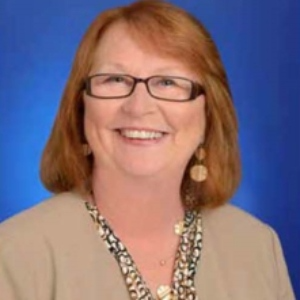
Adele Webb
Strategic Education, Inc., United States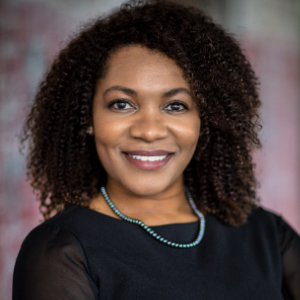
Robin Adams Geiger
Ovita Health, United States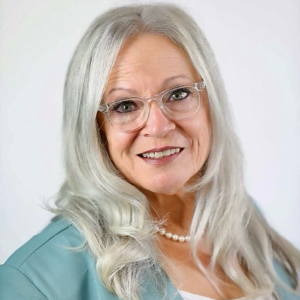
Barbara M De Groot
Heartwell Services, United States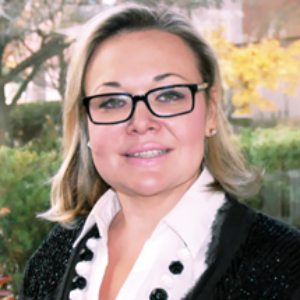
Irina Koyfman
Affinity Expert, LLC, United States
Stacey Frawley
Stony Brook University, United States
Joyce Anne Finch
Middle Tennessee State University, United States
Laura Spitaleri
Mayo Clinic, United StatesSubmit your abstract Today


Title : Overview of artificial intelligence in healthcare
Adele Webb, Strategic Education, Inc., United States
Title : Beyond cultural competence: Integrating cultural intelligence into professional nursing education and practice
Debra A Hrelic, University of North Carolina Wilmington, United States
Title : Experiences of online health information seeking behavior among patients with initial stroke during the transition period in china: A qualitative research
Xiao Yan Dong, Zhengzhou University, China
Title : A call to action for the integration of an underutilized resource: The evidence for Parkinson’s disease and music therapy
Carole Graves, Columbia University School of Nursing, United States
Title : A call to action for the integration of an underutilized resource: The evidence for Parkinson’s disease and music therapy
Klaudia J Zalewska, Columbia University School of Nursing, United States
Title : Digital health engagement in stroke patients: A concept analysis
Anni Chang, Zhengzhou University, China